Stay ahead of the curve with technical articles, design tips, and industry analysis from the leaders in precision linear motion.
Loading...
Engineering Insights & Motion Design Resources
Welcome to the Helix Linear Technologies Blog, your source for engineering insights, motion system design guidance, and industry trends in precision linear motion. Our blog is dedicated to helping mechanical engineers, product designers, automation professionals, and technical leaders stay informed, inspired, and empowered with practical knowledge you can apply to real-world projects.
Here, you’ll find:
Engineering tutorials and how-tos that break down complex topics such as lead screw selection, ball screw performance, actuator integration, and motion control best practices.
Application case studies that showcase real examples of precision motion systems in industries like manufacturing automation, robotics, medical devices, and semiconductor equipment.
Technical deep dives that explain design principles, calculate performance criteria, and explore emerging technologies shaping the future of motion components.
Industry perspectives and trends that highlight innovation, standards developments, and strategic insights for advanced engineering teams.
Whether you’re refining a current design, planning a new machine concept, or keeping current with linear motion technology, the Helix Linear blog is designed to support your engineering journey. Every post is written with clarity, backed by technical expertise, and aligned with practical engineering needs to help you make better specification, design, and integration decisions.
Explore our latest content, bookmark your favorite posts, and leverage these resources to accelerate development cycles, improve mechanical performance, and stay ahead in motion system design.
Helix Linear Technologies is committed to providing valuable educational content that empowers engineers to build more precise, efficient, and innovative systems. Dive into our blog and start learning today.
Use arrow keys to navigate between tabs. Press Enter or Space to activate a tab.
Blog
Subscribe to our newsletter
4 Ways Design for Manufacturing (DFM) Can Save You Time and Money
What is DFM?
Design for Manufacturing (DFM) is an engineering framework that optimizes the manufacturing process via design alterations to a product in the early stages of production. Ultimately DFM a
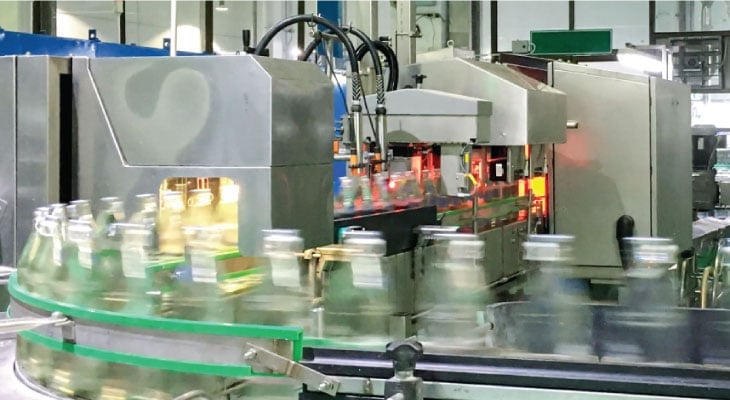
Whatever the motion control requirements, linear actuators and lead screw assemblies play a crucial role in material handling, packaging, and food processing equipment. Conveyor adjustments, lane chan
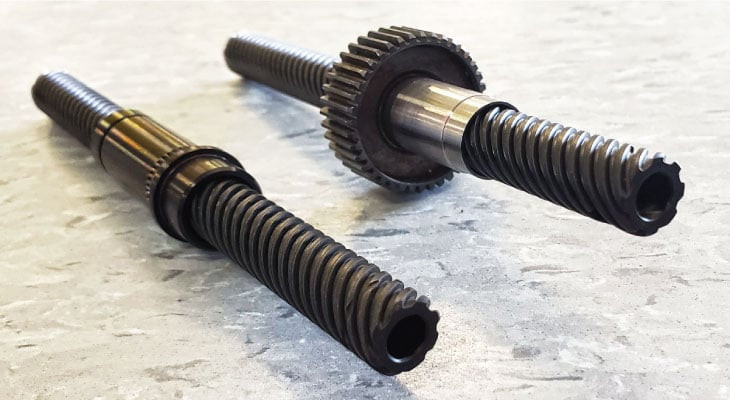
Linear Motion Components in Aerospace and Defense Industry
The aerospace and defense industry is positioned as one of the largest and most powerful industries in the United States. In fact, for over 100 years, this industry has moved, connected, and secured t
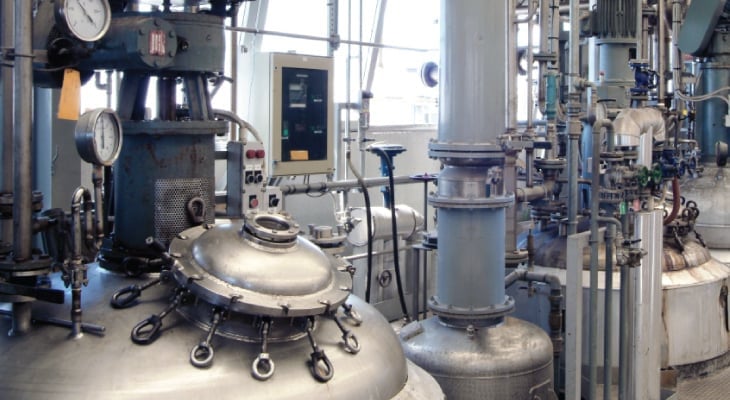
How Linear Motion is Used in the Chemical Industry
The integration of the most advanced, comprehensive automation technology is aiding the chemical industry in meeting the fast-paced demands of a globally saturated market. Automation solutions from He
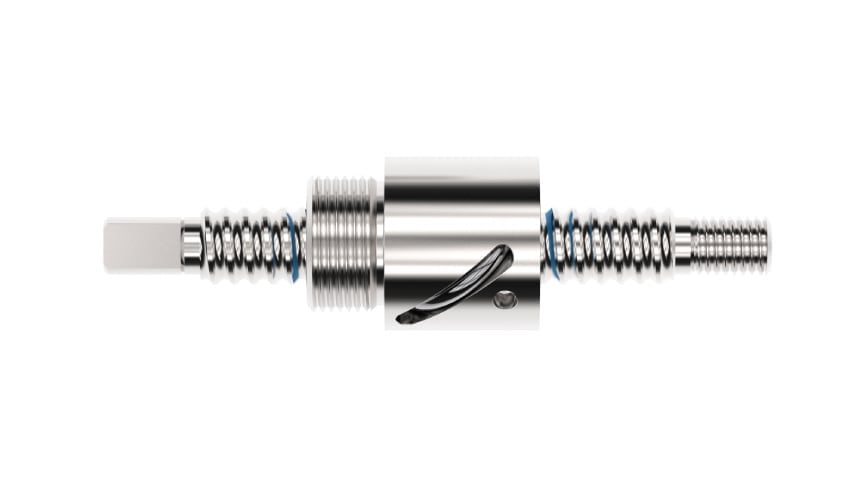
7 Reasons To Consider Ball Screws in Your Linear Motion Project
The Advantages of Ball Screws for Precision Linear Motion Control in Medical Devices and Aerospace ApplicationsEngineers designing for high-precision linear motion control know that ball screws and ba
In missile fin actuation systems, ball screws are used to translate rotary motion into linear motion. The ball screw consists of a screw shaft that rotates and a nut that moves along the shaft. The nu
Issues You May Run Into When Designing Linear Motion Systems
As the saying goes, "The devil is in the details." As simple as your linear motion application may seem, focusing on areas that may cause unexpected problems is highly beneficial icial. Here are a few
The number of medical imaging systems continues to grow at a projected annual rate of 6.8 percent, and linear motion control systems have become vital to the successful development, advancement, and
Reducing the Risk for Critical Linear Motion Components
What is the cost of not having an alternative source for linear motion components critical to your operation?
How long can your company afford to be line-down?
Is that a risk you're willing to take?
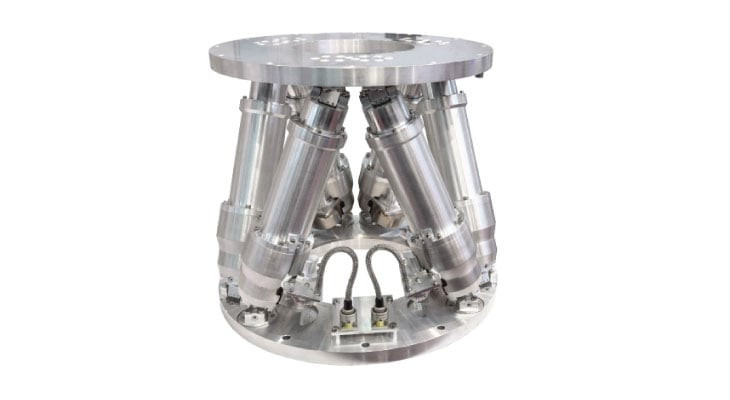
Linear Actuators for Hexapod Motion and Positioning
As the labor market continues to drive the need for increased automation, the demand for more complex motion solutions has followed suit. From improved task flexibility and miniaturization to higher l
Common Motion Control Mistakes and How to Avoid Them
Given the range of motion control devices, systems, and assemblies available on the market—plus advances in developing innovative MCSs and the greater demands for today's precision guidance and posit